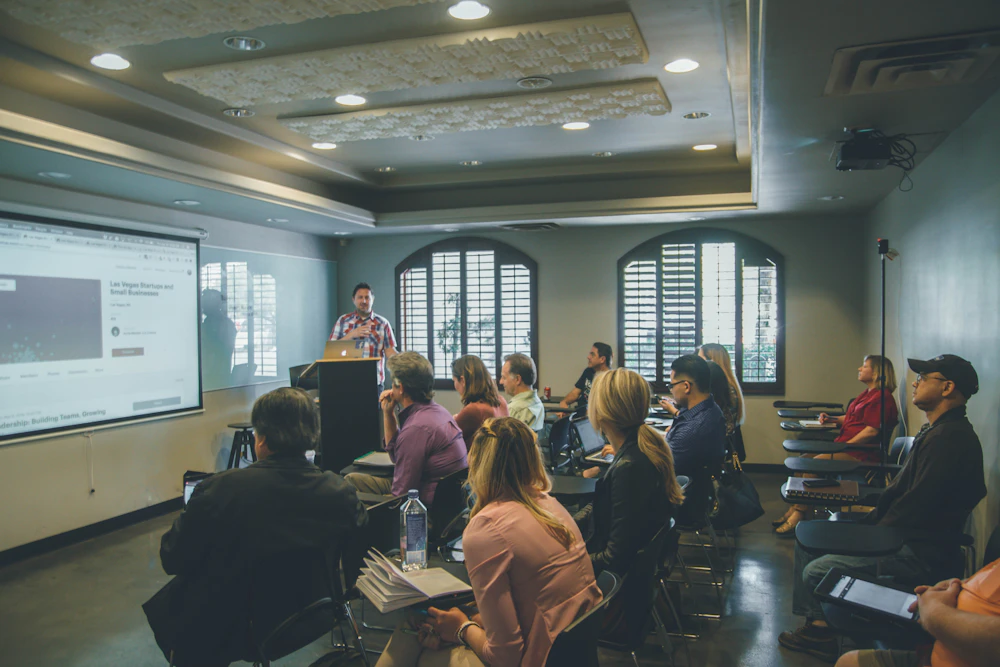
Examining how intellectual outsourcing to algorithmic assistants impacts human problem-solving capacity and long-term expertise.
While the economic advantages of speed and automation dominate current technological discussions, a subtler and more profound hazard looms over the modern workforce: cognitive atrophy. As professionals increasingly delegate complex problem formulation, mathematical reasoning, and structural synthesis to external generative models, their personal capacity for independent critical inquiry risks eroding over time. Educational and cognitive research groups, such as studies highlighted by the UNESCO Future of Learning initiatives, emphasize the vital necessity of preserving human intellectual agency amidst rising automation. This exploration integrates seamlessly with our previous series components covering AI productivity impacts, enterprise compliance strategies, and true productivity measurement.
Safeguarding human ingenuity requires a conscious cultural shift across organizations. Rather than allowing artificial intelligence to function as an uncritical replacement for deep thinking, teams must learn to treat algorithms as sparring partners that challenge assumptions without dictating absolute conclusions.
Phase 01
The Perils of Intellectual Outsourcing
Intellectual outsourcing occurs when human workers surrender the arduous mental effort of problem-solving and conceptual design to automated systems in exchange for immediate convenience. While this shortcut provides instant gratification and rapid initial output, it bypasses the cognitive struggle that builds enduring neural pathways and deep domain expertise. When professionals stop wrestling with complex logical dilemmas, debugging intricate code architectures, or synthesizing contradictory historical data manually, their cognitive stamina gradually weakens. Over successive project cycles, teams become dangerously dependent on external models, losing the mental agility required to navigate novel crises or unexpected technical failures.
This growing dependency creates a vulnerable corporate culture where employees act as passive supervisors rather than active creators. Unchecked reliance on synthetic reasoning blinds teams to subtle logical fallacies, security vulnerabilities, or contextual errors embedded within machine outputs. Reversing this trend demands an intentional institutional commitment to retaining hands-on problem-solving responsibilities, ensuring that human workers remain intellectually sharp and fully engaged across all stages of project execution.
Phase 02
Erosion of Foundational Domain Expertise
The gradual erosion of foundational domain expertise poses an acute threat to career progression and institutional memory. Junior workers entering fields heavily augmented by artificial intelligence frequently bypass the formative years of trial and error that traditionally forged senior specialists. Without mastering foundational principles through rigorous, self-directed effort, emerging professionals lack the internal mental models necessary to evaluate whether an AI-generated solution is brilliant or flawed. This skill deficit creates a hollowed-out workforce where superficial fluency masks a profound lack of deep structural understanding.
Organizations must recognize that true innovation springs from deep, hard-won expertise rather than prompt engineering finesse. Mentorship programs and internal training frameworks need to deliberately incorporate foundational theory and manual troubleshooting exercises alongside modern automation tools. Protecting the mastery of core principles guarantees that future leadership generations retain the intellectual authority required to guide technological development responsibly and effectively.
Phase 03
Cultivating Active Pedagogical Boundaries
Countering cognitive atrophy requires establishing active pedagogical boundaries that define clear rules of engagement between human intellect and artificial assistance. Enterprises and academic institutions alike must mandate protocol structures where individuals draft initial concepts, perform independent calculations, and outline strategic arguments before consulting generative models. By positioning AI strictly as a secondary review tool rather than a primary author, organizations reintroduce healthy intellectual friction into daily workflows. This deliberate barrier forces the human brain to remain active, analytical, and cognitively resilient.
Furthermore, fostering a culture of constructive skepticism encourages team members to interrogate automated outputs rigorously rather than accepting them at face value. Implementing peer-review panels, code walkthroughs, and adversarial testing sessions ensures that critical thinking remains a collective corporate habit. These active pedagogical boundaries protect institutional intellect from complacency and maintain high standards of intellectual rigor across all professional activities.
Phase 04
Preserving Human Agency in Automated Systems
Preserving human agency in an increasingly automated world is the ultimate challenge for modern society. Technology should serve to amplify human creativity, empathy, and strategic insight rather than diminishing our intellectual autonomy. By maintaining rigorous cognitive standards, embracing active learning frameworks, and prioritizing uncompromised critical inquiry, humanity can harness the monumental productivity benefits of artificial intelligence without sacrificing our innate intellectual faculties.
Ultimately, the future of work belongs to organizations that successfully balance computational velocity with robust human oversight. To delve deeper into historical milestones, geopolitical cartography, and technological evolution, explore the comprehensive archives at La Historia con Mapas.