The Safavid Empire (1501–1736) represents a transformative period in Middle Eastern historical cartography, marking the rebirth of Persia as a centralized power. Under the leadership of Shah Ismail I, the dynasty initiated a rapid territorial expansion, unifying the fragmented Iranian plateau and establishing a theocratic state that challenged the geopolitical status quo. Key milestones, such as the capture of Tabriz, served as the foundation for an empire that would bridge the trade routes between Europe and Asia.
The evolution of Safavid borders was largely defined by military friction and diplomatic treaties. The Battle of Chaldiran in 1514 forced a strategic shift, identifying the Zagros Mountains as a natural defensive line against Ottoman encroachment. However, the empire reached its imperial zenith under Shah Abbas the Great, who relocated the capital to Isfahan and pushed the sovereign boundaries from Mesopotamia to the Indus River.
The permanent geographical footprint of the dynasty was eventually solidified through the Treaty of Zuhab in 1639. This landmark agreement established the delimited frontiers that still influence the modern borders of Iran and Iraq, marking a transition from expansionism to institutional consolidation and long-term regional stability.
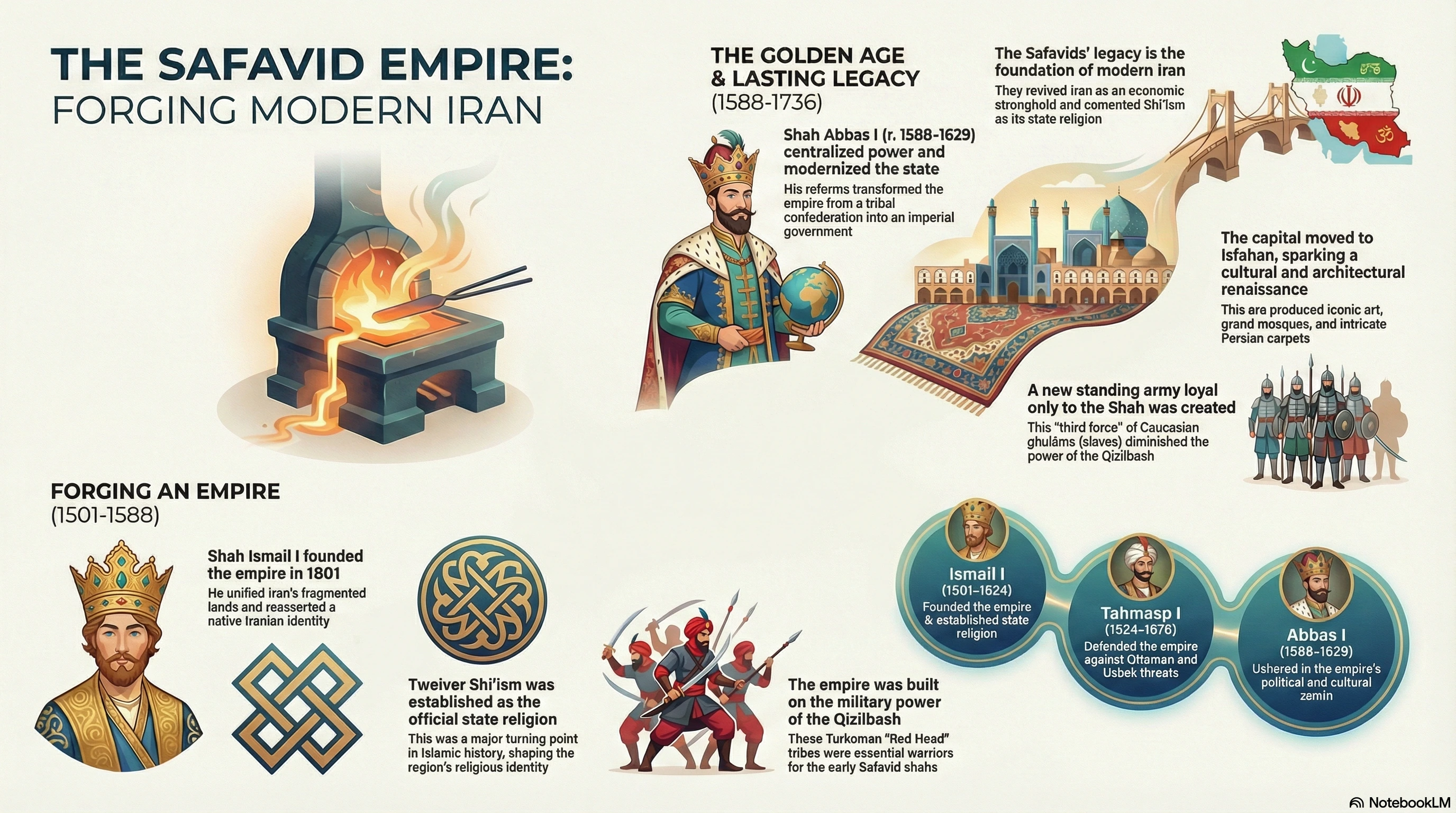
Complete Safavid Empire Timeline Map Infographic (1501-1736)
Strategic Urban Centers of the Safavid Empire
The following table outlines the most influential cities within the Safavid sovereign domain and their specific roles in imperial history.
| City | Role | Geographical Significance |
|---|---|---|
| Tabriz | First Capital | Key hub for trade with Europe and the Caucasus. |
| Qazvin | Second Capital | Strategic inland position to avoid Ottoman frontier raids. |
| Isfahan | Imperial Zenith | The "Half of the World"; central hub of the Iranian plateau. |
| Mashhad | Spiritual Center | Major pilgrimage site near the volatile Khorasan frontier. |
| Bandar Abbas | Maritime Gateway | Essential port for controlling Persian Gulf commerce. |
1501–1524: The Foundation and Early Expansion under Shah Ismail I
The early 16th century witnessed the meteoric rise of the Safavid state, transforming a militant Sufi order into a centralized Persian empire. Under the charismatic leadership of Shah Ismail I, this period focused on the unification of the Iranian plateau, establishing a distinctive identity that blended Persian bureaucratic traditions with Twelver Shi'ism. The rapid conquest of vast territories was not merely a military feat but a geopolitical reconfiguration of the Middle East, filling the power vacuum left by the collapse of the Timurid and Aq Qoyunlu confederations. To understand this era, one must look at the sovereign expansion as a religious and national rebirth that set the stage for two centuries of dominance. This expansion was characterized by:
• The rapid absorption of local khanates and principalities.
• The establishment of a new administrative aristocracy.
• The strategic use of religious zeal to mobilize frontier tribal forces.
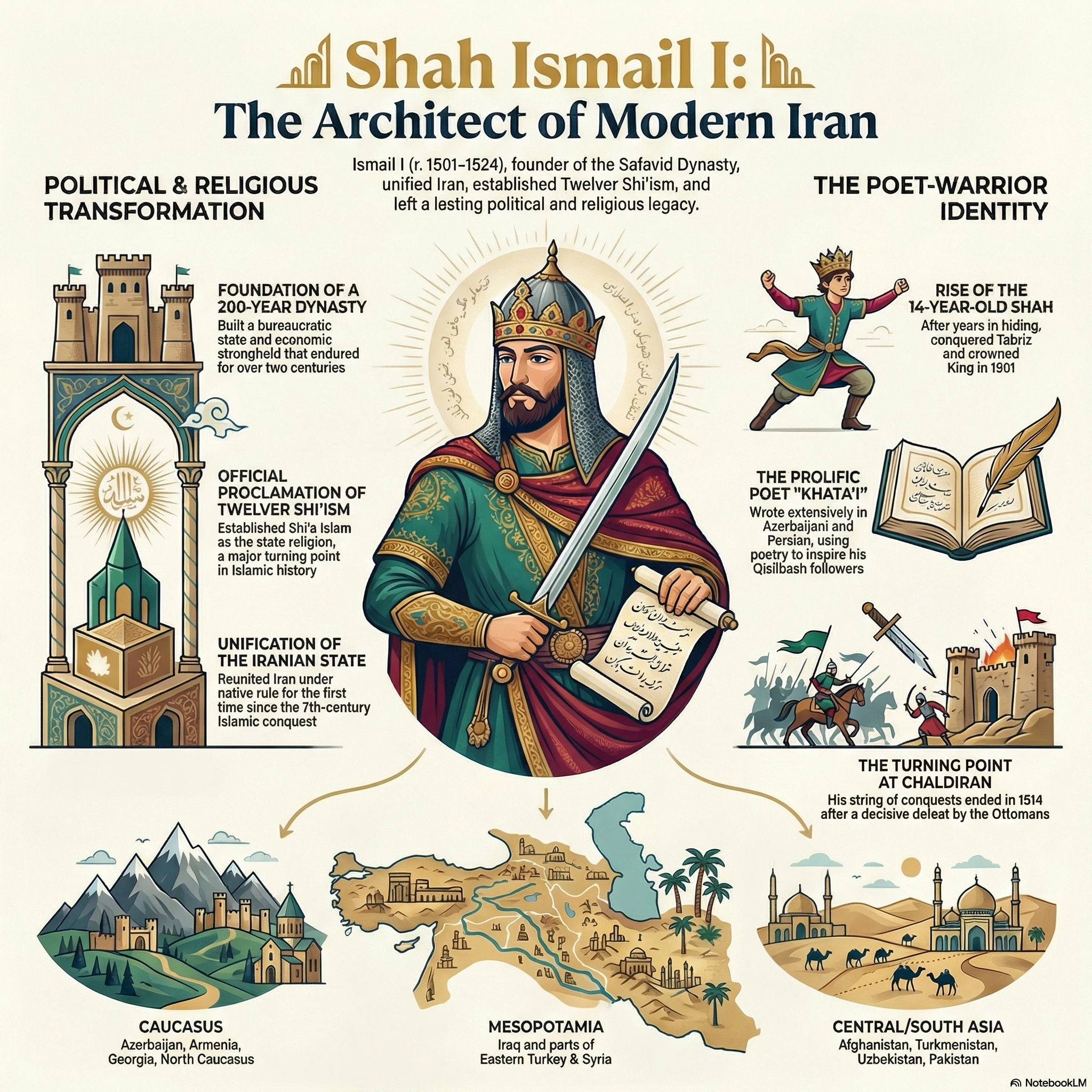
Fig. 1: Mapa de la expansión inicial de la dinastía Safávida y la unificación del corazón de Persia bajo Shah Ismail I.
1501–1510: Establishing the Safavid Dynasty and the Capture of Tabriz
The capture of Tabriz in 1501 served as the definitive cornerstone for the Safavid political map, marking the formal coronation of Ismail I as Shah. This strategic city was not only a traditional cultural hub but also a vital commercial node on the Silk Road, providing the economic resources necessary for further campaigns. Following the city's fall, the dynasty launched a decade of relentless warfare, successfully consolidating control over Azerbaijan, Fars, and eventually the Khorasan frontier. By defeating the Uzbek tribes at the Battle of Merv, the Shah secured the northeastern boundaries, effectively creating a buffer zone against nomadic incursions and doubling the empire's initial geographic footprint. This decade transformed a localized movement into a transcontinental power capable of challenging both the Ottomans to the west and the Mughals to the east.
1514: The Battle of Chaldiran and the First Major Border Shift
The Battle of Chaldiran was the first major military setback for the Safavids, establishing the Zagros Mountains as a permanent, albeit volatile, boundary between rival sects. This clash against the Ottoman Empire’s superior gunpowder technology demonstrated the limitations of traditional cavalry warfare in the face of modern artillery. Although the core of the Iranian heartland remained unconquered, the loss of Eastern Anatolia forced a significant territorial retreat and a long-term shift in military policy. The encounter redefined the frontier zones of the empire, prompting the Safavids to adopt "scorched earth" tactics and move their capital further inland to protect the ruling elite from future incursions. This event remains a critical case study in how military technology directly shapes political cartography.
1524–1587: Period of Consolidation and Ottoman Rivalry
This era represents a tumultuous phase of defensive consolidation where the empire struggled to maintain its territorial integrity against relentless western pressure. Following the death of the founding Shah, the state faced internal tribal friction and a series of four major Ottoman invasions that threatened the very survival of the dynasty. During these decades, the geographical continuity of Persia was maintained through strategic diplomacy and the relocation of the administrative center to Qazvin. It was a period defined by the duality of war and peace, as shown in the following table of territorial status:
| Region | Status (1524-1587) |
|---|---|
| Mesopotamia | Frequently contested and eventually ceded to Ottomans. |
| Caucasus | Fragmented control between local lords and imperial garrisons. |
| Khorasan | Constant defensive struggle against Uzbek raids. |
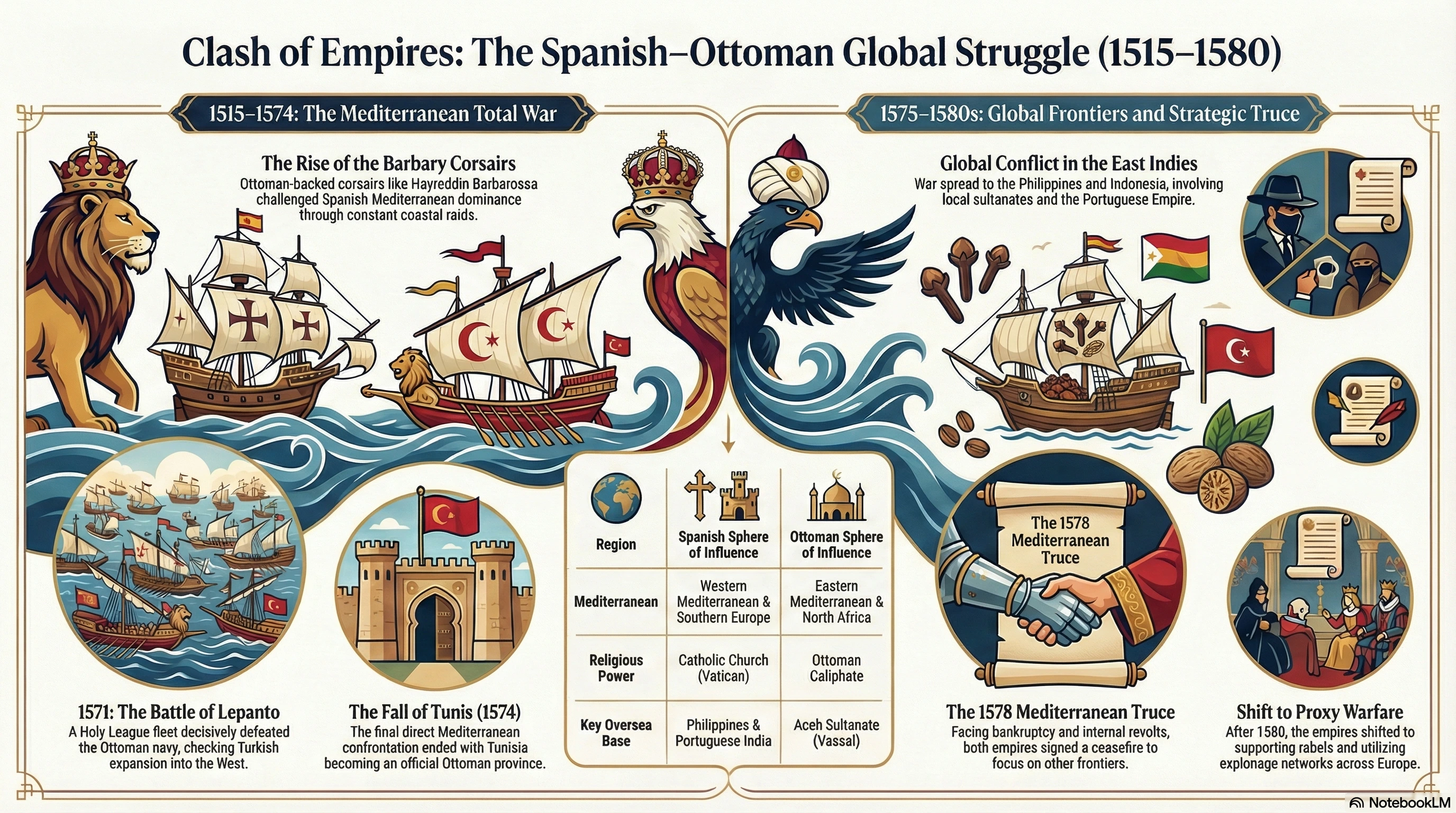
Fig. 2: Evolución de las fronteras occidentales durante los conflictos prolongados con el Imperio Otomano.
1532–1555: The Safavid–Ottoman War and the Peace of Amasya
The Peace of Amasya in 1555 was the first formal diplomatic instrument to recognize the legal boundaries between the Safavid and Ottoman realms. This treaty provided a vital strategic breathing space, allowing Shah Tahmasp I to reorganize the internal bureaucracy and fortify the eastern borders. Geographically, the agreement partitioned the Caucasus and Iraq, with the Safavids retaining control over Eastern Georgia and Armenia while officially relinquishing Baghdad. This territorial settlement stabilized the western front for thirty years, proving that diplomatic accords were just as essential as military strength in defining the imperial footprint of the 16th century.
1578–1590: Territorial Losses in the Caucasus and Mesopotamia
A renewed cycle of conflict in the late 16th century led to a severe geopolitical contraction as internal instability weakened the central government. Taking advantage of the chaos, the Ottomans seized vast swaths of territory, including Tabriz and the Caspian provinces. This period of territorial nadir saw the empire reduced to its smallest extent since its inception, with the frontier defenses almost entirely collapsing in the north and west. The humiliating Treaty of Ferhat Pasha forced the Safavids to concede almost all of their Caucasian holdings, a loss that would only be reversed by the radical military reforms of the following generation.
1587–1629: The Territorial Peak under Shah Abbas the Great
Shah Abbas I oversaw the imperial zenith of the dynasty, reclaiming lost provinces and establishing Persia as a global superpower. By creating a professional standing army and centralizing the national treasury, he successfully reversed decades of decline and pushed the imperial frontiers to their maximum historical extent. This era is considered the golden age of cartography for the region, as the empire controlled the vital gateways between the East and the West. Under Abbas, the state achieved:
• Total recovery of western territories lost to the Ottomans.
• Dominance over the Persian Gulf maritime routes.
• Security of the Silk Road caravan passages through Khorasan.
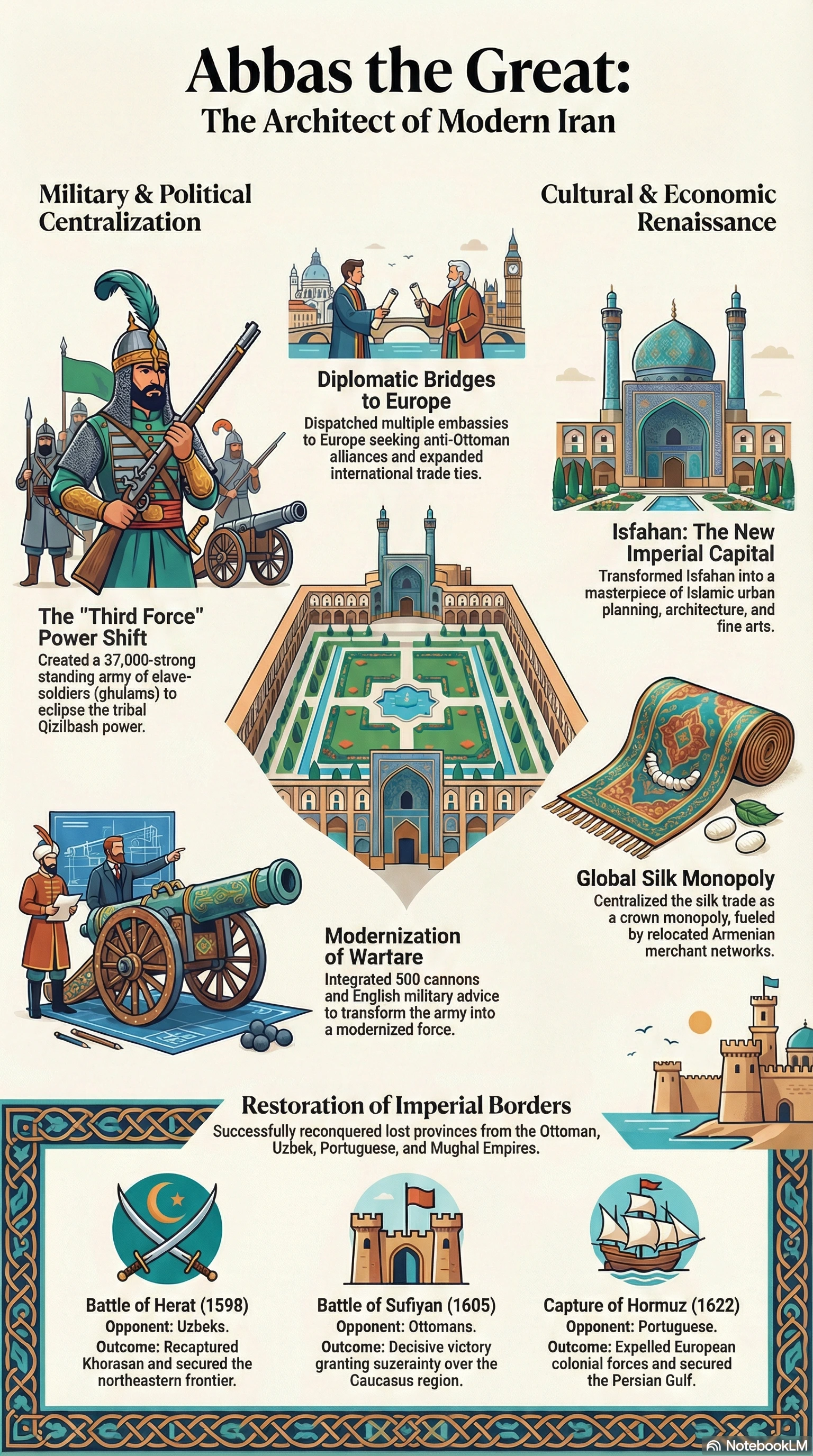
Fig. 3: El Imperio Safávida en su apogeo territorial, controlando rutas clave desde Mesopotamia hasta el Indo.
1598: Moving the Capital to Isfahan: The New Center of the Map
The relocation of the capital to Isfahan shifted the geopolitical gravity of the state to a more secure and central location on the Iranian plateau. This masterstroke of urban planning and grand strategy protected the administrative heartland from border raids while facilitating direct control over the southern provinces. Isfahan was transformed into a cosmopolitan hub, attracting global trade and diplomatic missions from European kingdoms. The city became the literal and figurative center of the map, reflecting the Shah's vision of an empire that was both militarily invincible and culturally unparalleled.
1603–1618: Reconquering Lost Lands and Expanding to the Persian Gulf
Through a series of brilliant military campaigns, Abbas I reclaimed the ancestral lands in Azerbaijan and Georgia that had been lost during the previous century. Simultaneously, he turned his attention southward, collaborating with English forces to expel the Portuguese from the Strait of Hormuz. This maritime expansion was crucial, as it allowed the Safavids to tax the lucrative sea trade and secure their southern borders. By 1618, the empire had re-established its status as a biseas power, controlling the ports of the Gulf and the silk production centers of the Caspian.
1623: The Capture of Baghdad and the Height of Safavid Power
The recapture of Baghdad in 1623 represented the absolute apex of Safavid territorial influence and religious prestige. This victory brought the holy Shia sites under Persian protection, a move that carried immense symbolic weight throughout the Islamic world. At this historical moment, the Safavid map encompassed all of modern-day Iran, Iraq, Azerbaijan, and parts of Afghanistan and the Caucasus. It was the territorial culmination of over a century of struggle, marking a period of hegemony where the dynasty faced no credible threat to its regional supremacy.
1629–1722: Gradual Stagnation and the Treaty of Zuhab
Following the death of Abbas I, the empire transitioned from an era of conquest to one of static preservation and gradual institutional decay. While the imperial boundaries remained largely stable for several decades, the central authority began to weaken due to the seclusion of monarchs in the harem and the rising power of the religious bureaucracy. This period of geopolitical stagnation was defined by a shift in focus toward maintaining the status quo and securing the frontier garrisons against emerging threats.
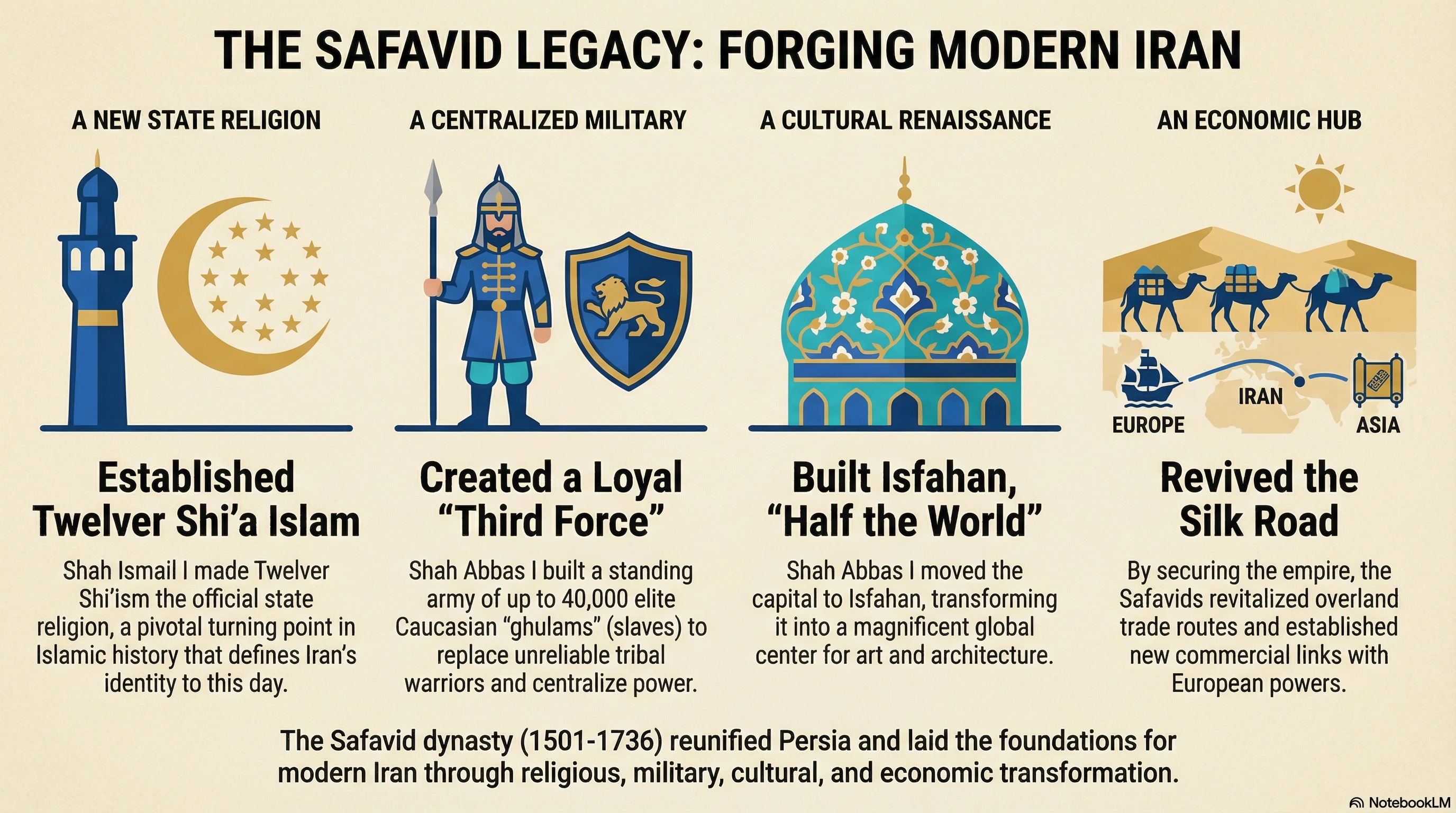
Fig. 4: Delimitación de fronteras permanentes tras el Tratado de Zuhab, definiendo la geografía política moderna de la región.
1639: Defining Modern Borders: The Significance of the Treaty of Zuhab
The Treaty of Zuhab, also known as the Accord of Qasr-e Shirin, established the permanent border that still largely defines the Middle East today. By finally partitioning Mesopotamia and the Caucasus, the treaty ended nearly 150 years of Safavid-Ottoman warfare and created a delimited frontier that survived for centuries. This diplomatic finality meant that the Safavids accepted the loss of Baghdad in exchange for a sovereign guarantee of their control over the Iranian plateau. It was a landmark event in historical cartography, shifting the focus from expansion to internal border management.
1648–1653: Conflict with the Mughal Empire over Kandahar
The struggle for the fortress city of Kandahar was the last major territorial triumph of the Safavid military against a contemporary superpower. This strategic city was the linchpin of trade between the Iranian plateau and the Indian subcontinent, making its control a matter of economic survival. Despite the empire's internal stagnation, the Safavid army proved its tactical superiority in the siege, securing the eastern gateway for another seventy years. This victory highlighted that the imperial defense remained formidable even as the central government began to lose its innovative edge.
The Lasting Legacy of Safavid Cartography
The Safavid Empire was more than a mere dynasty; it was the architect of the modern Iranian identity and its geographical consciousness. From the early conquests of Shah Ismail I to the diplomatic stability of the Treaty of Zuhab, the Safavids successfully transformed a fragmented landscape into a cohesive geopolitical entity.
By analyzing this interactive timeline, we observe how the strategic relocation of capitals and the defense of the Zagros Mountains created a resilient state that survived centuries of conflict. Today, the maps of the Safavid era remain essential for understanding the cultural and territorial foundations of the modern Middle East.
Verified Sources & Academic Resources
To ensure historical accuracy, this timeline and its associated maps have been cross-referenced with the following cartographic and academic archives:
- • Encyclopædia Iranica: Detailed Dynastic History of the Safavids.
- • The Metropolitan Museum of Art: Art and Geography of Safavid Iran.
- • British Library: Historical Cartographic Archives.
- • UNESCO World Heritage Centre: Meidan Emam, Isfahan: The Imperial Center.