HcM Logo - World History and Maps Portal
HcM

Historical Atlases, Geopolitics & Cartography Hubs

Explore & Discover

Byzantine Empire Administrative Systems & Naval Atlases

Explore exhaustive technical dossiers, military administrative systems, naval defense tactics, and socioeconomic analyses of the Byzantine Empire.

Filter:
Technical Index & Research Dossier

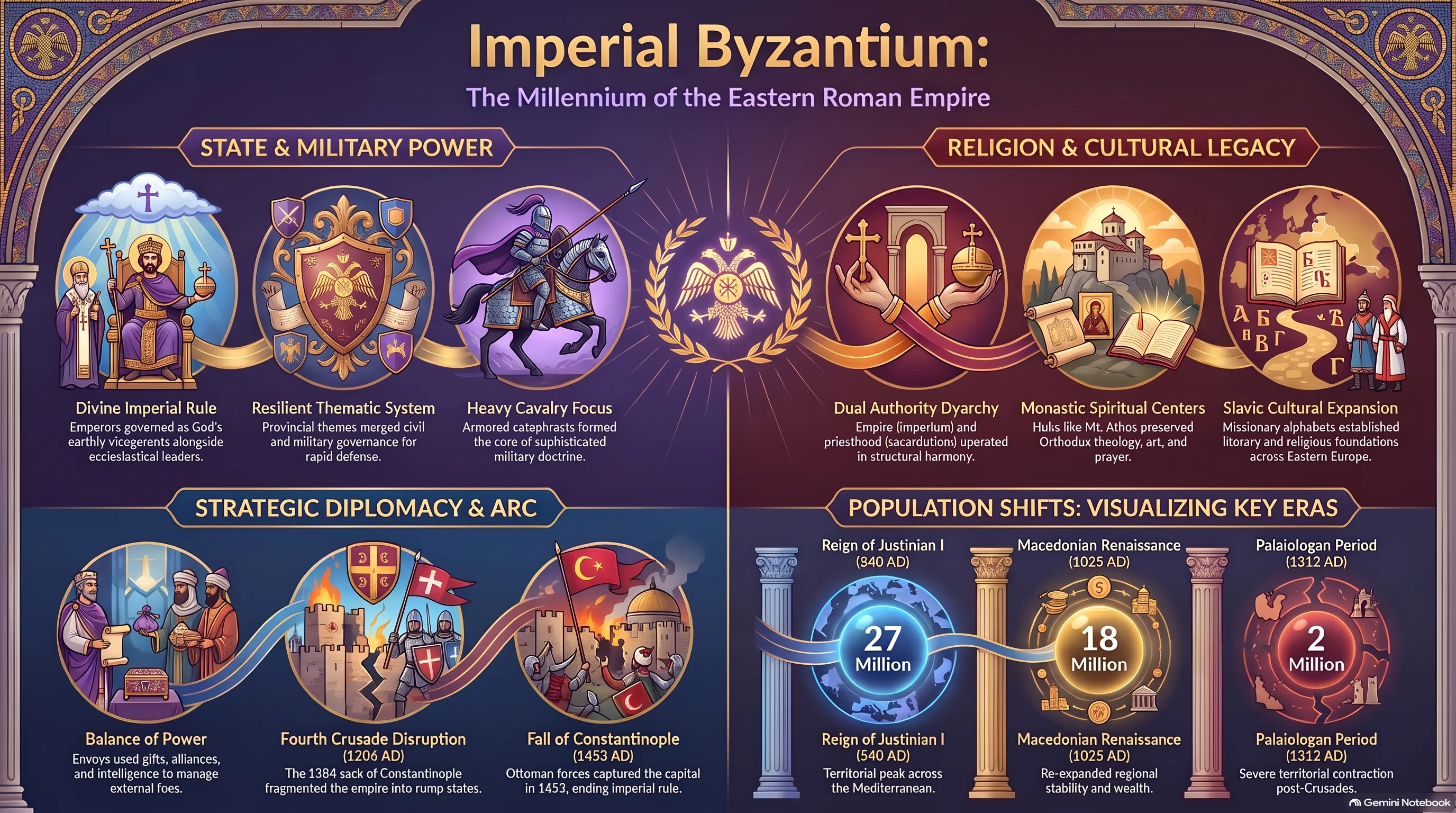
This directory compiles exhaustive technical analyses on the structural mechanics of the Eastern Roman Empire, spanning the thematic military reorganization, naval incendiary technologies like Greek Fire, Justinianic fiscal-administrative reforms, state-managed silk monopolies, Comnenian feudalization, diplomatic intelligence networks, and the terminal artillery impacts of 1453. Each dossier undergoes rigorous cross-examination of primary chronicles, legal codes, and modern historiographical frameworks.

Byzantine Empire Administrative Systems, Naval Defense Tactics and Military Maps
Featured Content & Trending Topics

Primary Knowledge & Cartography Hubs

Explore HcM main cartographic divisions, historical atlases, media worldbuilding, and geopolitical archives.

Roman Empire Geopolitical Maps, Provincial Frontiers and Legionary Deployments
Roman Empire EN
November 2026

Roman Empire Hub

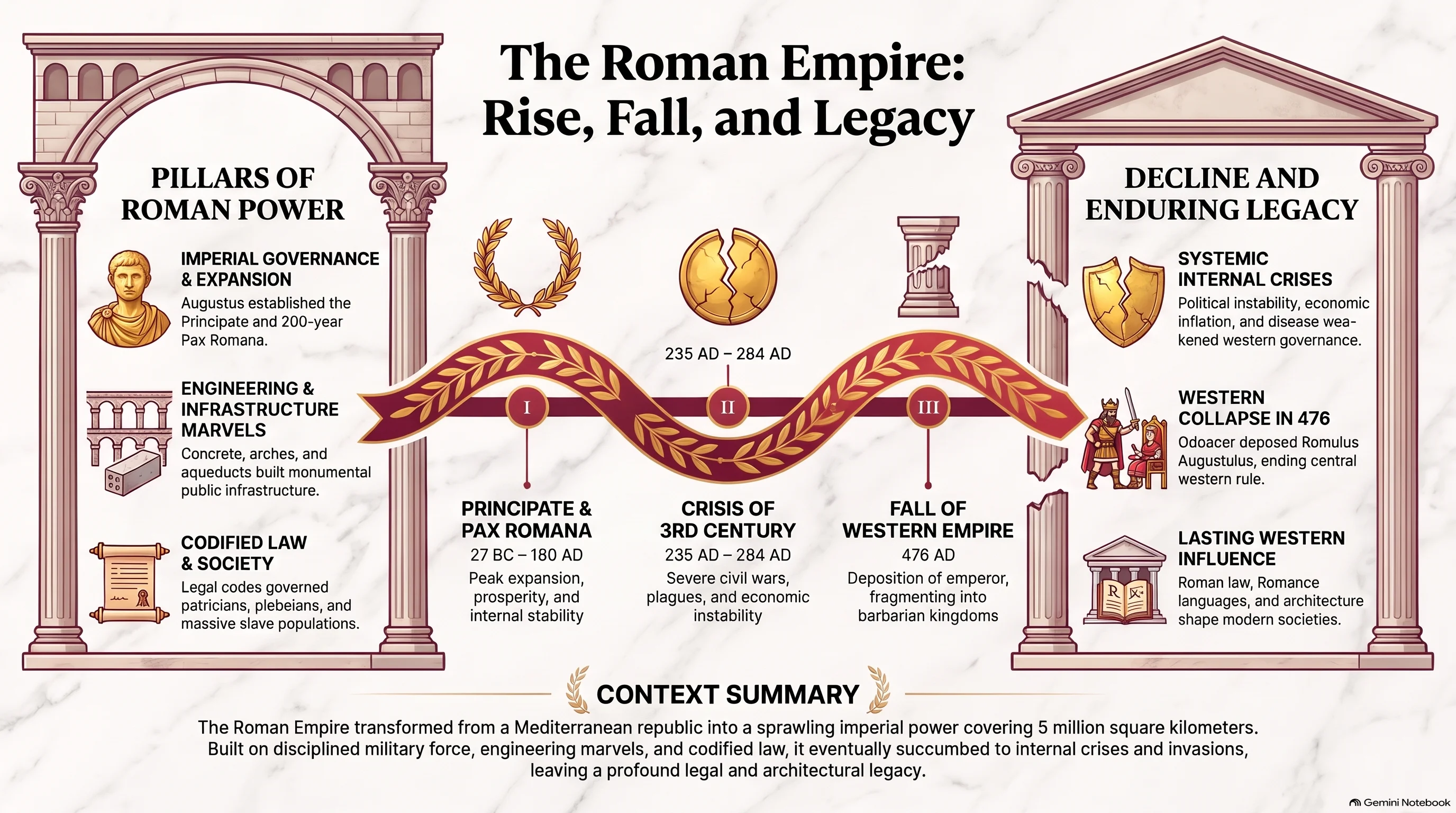
Analyze Roman imperial geopolitics, military legion deployments, provincial borders, and institutional administrative reforms.

Narrative Cartography, Fictional Geography and Pop Culture Maps
Mother Hub EN
Media & Narrative Cartography

Culture Hub

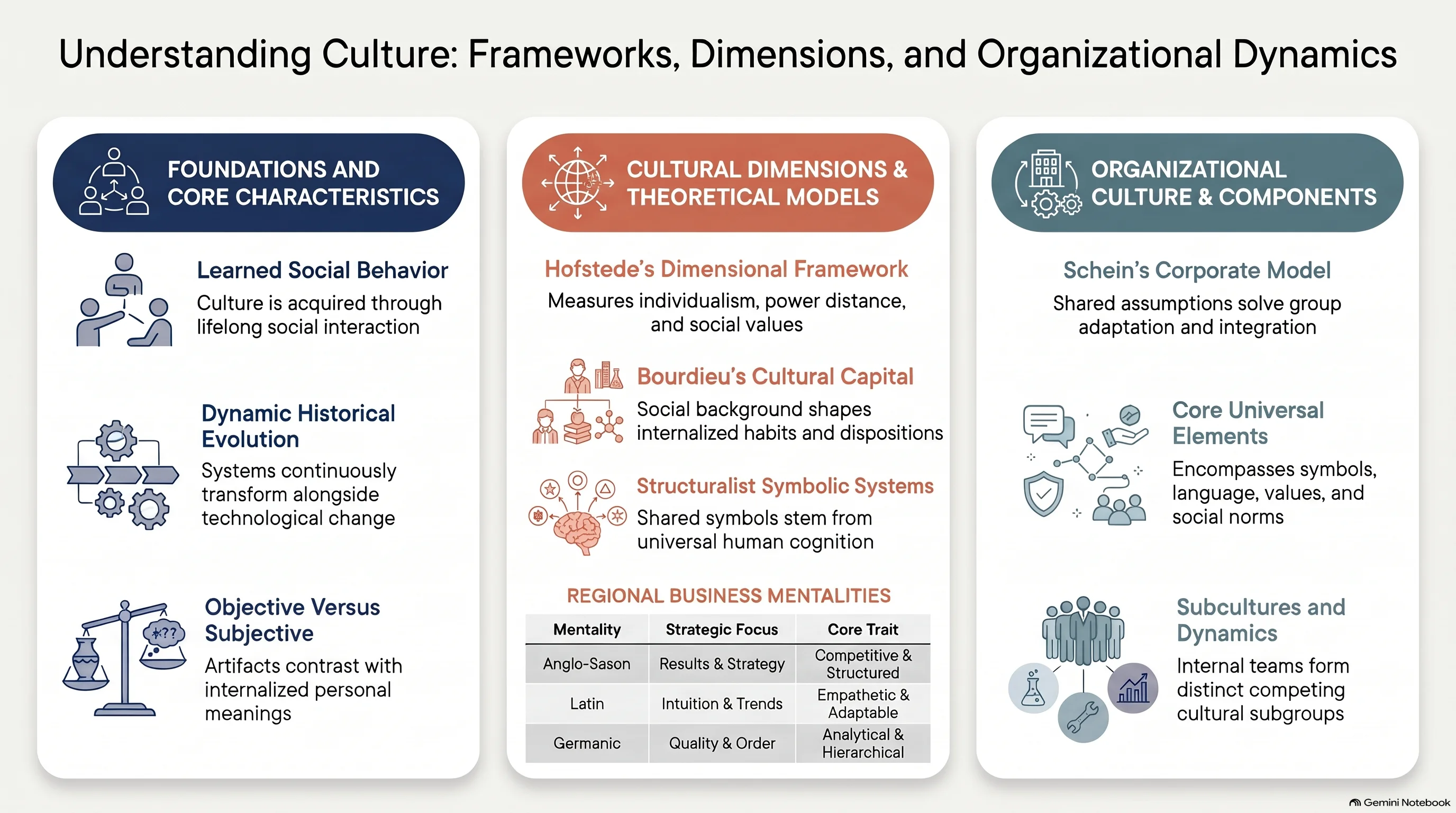
Uncover narrative cartography, fictional geography, and spatial analysis across pop culture and iconic media franchises.

Explore Hub
Historical Atlases, Military Campaigns and Territorial Evolution Maps
Mother Hub EN
Geopolitical & Chronological

History Hub

Examine comprehensive historical atlases, ancient empires, and centuries of geopolitical transformation

Explore Hub

Technical Acronym Glossary & Definitions

HcM (La Historia con Mapas)

Digital research portal and cartographic historical archive specializing in geopolitical evolution and institutional statecraft.

Strategos (Στρατηγός)

Military governor holding combined civil and executive jurisdiction over a regional administrative theme (*thema*) in medieval Byzantium.

Pronoia (Πρόνοια)

Conditional, non-hereditary grant of state tax revenues assigned to military magnates (*pronoiarioi*) in exchange for heavy cavalry service.

Metaxa (Μέταξα)

Raw silk fibers and state-regulated silk production materials subject to strict imperial monopoly controls and guild oversight.

Hygron Pyr (Ὑγρὸν Πῦρ)

Greek Fire; a classified petroleum-based naval incendiary compound projected via pressurized bronze siphons on dromon warships.

Eparch (Ἔπαρχος)

The Urban Prefect of Constantinople responsible for enforcing guild regulations, price ceilings, and commerce standards in imperial markets.

Frequently Asked Questions: Byzantine Empire Administrative Systems & Naval Defense

Key insights regarding the theme system, naval incendiary technologies, and the socioeconomic structure of Byzantium.

How did the Byzantine theme system transform provincial military administration?

The theme system decentralized military and civil administration by replacing traditional late Roman provinces with military districts (*themata*) governed by a *strategos*, granting land to soldier-farmers in exchange for hereditary military service.

What role did Greek Fire play in defending Constantinople during naval sieges?

Greek Fire (*hygron pyr*) was a classified petroleum-based naval incendiary projected through bronze siphons mounted on dromon warships, capable of burning on water and decisively repelling Arab naval blockades.

How did the state manage the Byzantine silk monopoly and trade regulations?

Raw silk (*metaxa*) production and luxury textile manufacturing were heavily centralized under imperial workshops and strict guild oversight enforced by the Urban Prefect (*Eparch*) to protect state revenue and strategic exports.

What economic and military changes characterized the Comnenian Restoration?

The Comnenian dynasty restructured state power around a military aristocracy, introducing the *pronoia* system—conditional grants of tax revenues assigned to magnates in exchange for military obligations—to stabilize the empire's borders.