HcM Logo - World History and Maps Portal
HcM

Historical Atlases, Geopolitics & Cartography Hubs

Explore & Discover

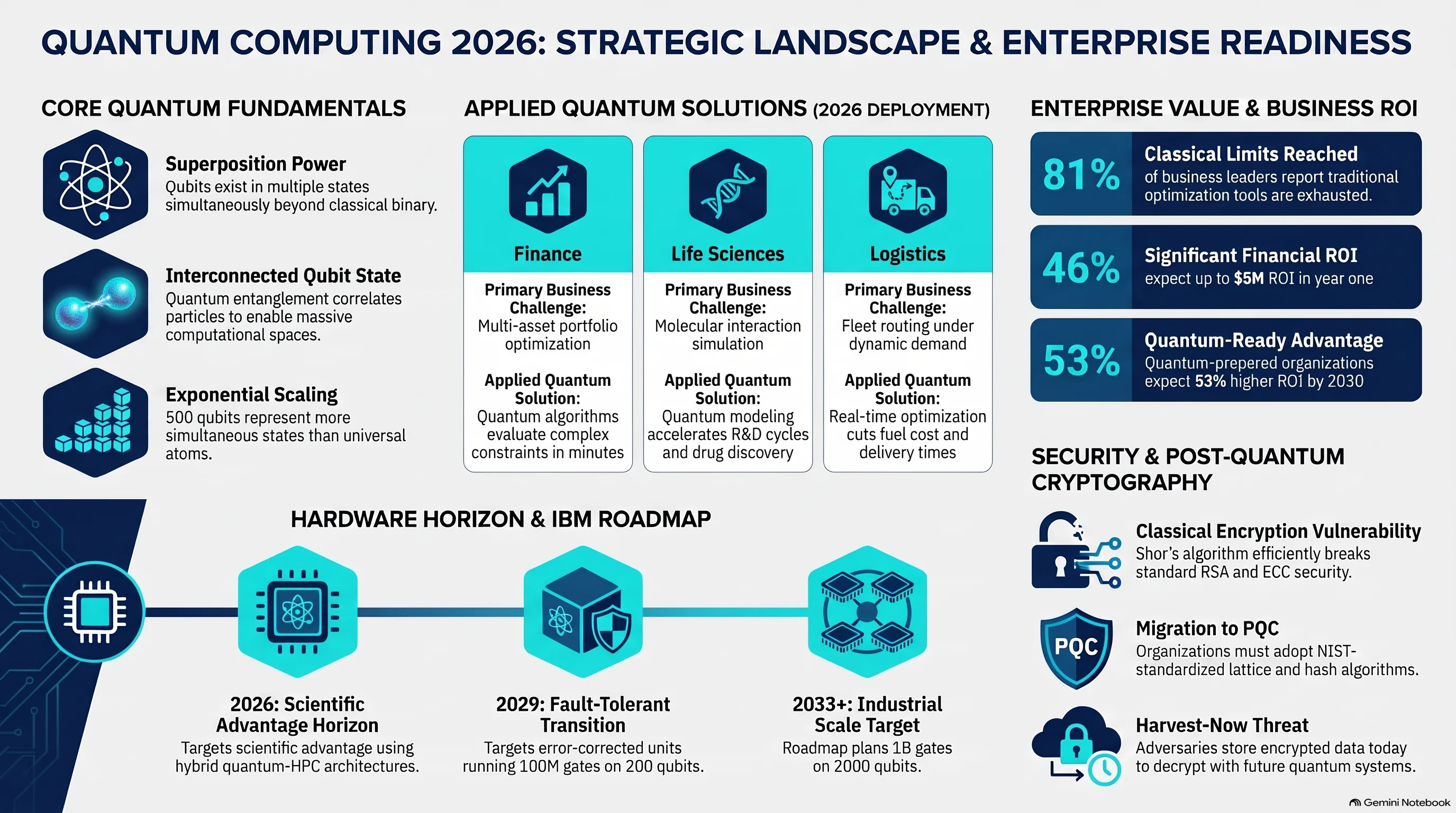
Quantum Computing, AI Infrastructure & Advanced Energy Grids

Explore advanced technical dossiers, interactive timelines, and strategic analyses covering quantum computing supremacy, US national laboratory research hubs, AI data center energy loads, and Small Modular Reactor (SMR) power grids.

Filter:
Technical Index & Research Dossier

This directory compiles exhaustive technical analyses on the convergence of quantum processing architectures, national laboratory development hubs, gigawatt-scale artificial intelligence data centers, and the revolutionary deployment of Small Modular Reactors (SMRs) to stabilize future power grids. Each dossier undergoes rigorous cross-examination of engineering metrics, policy frameworks, and hardware constraints.

Quantum Computing & Advanced Power Systems

Quantum Computing, AI Infrastructure & Advanced Energy Grids

Explore advanced technical dossiers, interactive timelines, and strategic analyses covering quantum computing supremacy, US national laboratory research hubs, AI data center energy loads, and Small Modular Reactor (SMR) power grids[cite: 12].

Quantum Computing Supremacy, Advanced Energy Grids and SMR Power Infrastructure
Featured Content & Trending Topics

Primary Knowledge & Cartography Hubs

Explore HcM main cartographic divisions, historical atlases, media worldbuilding, and geopolitical archives.

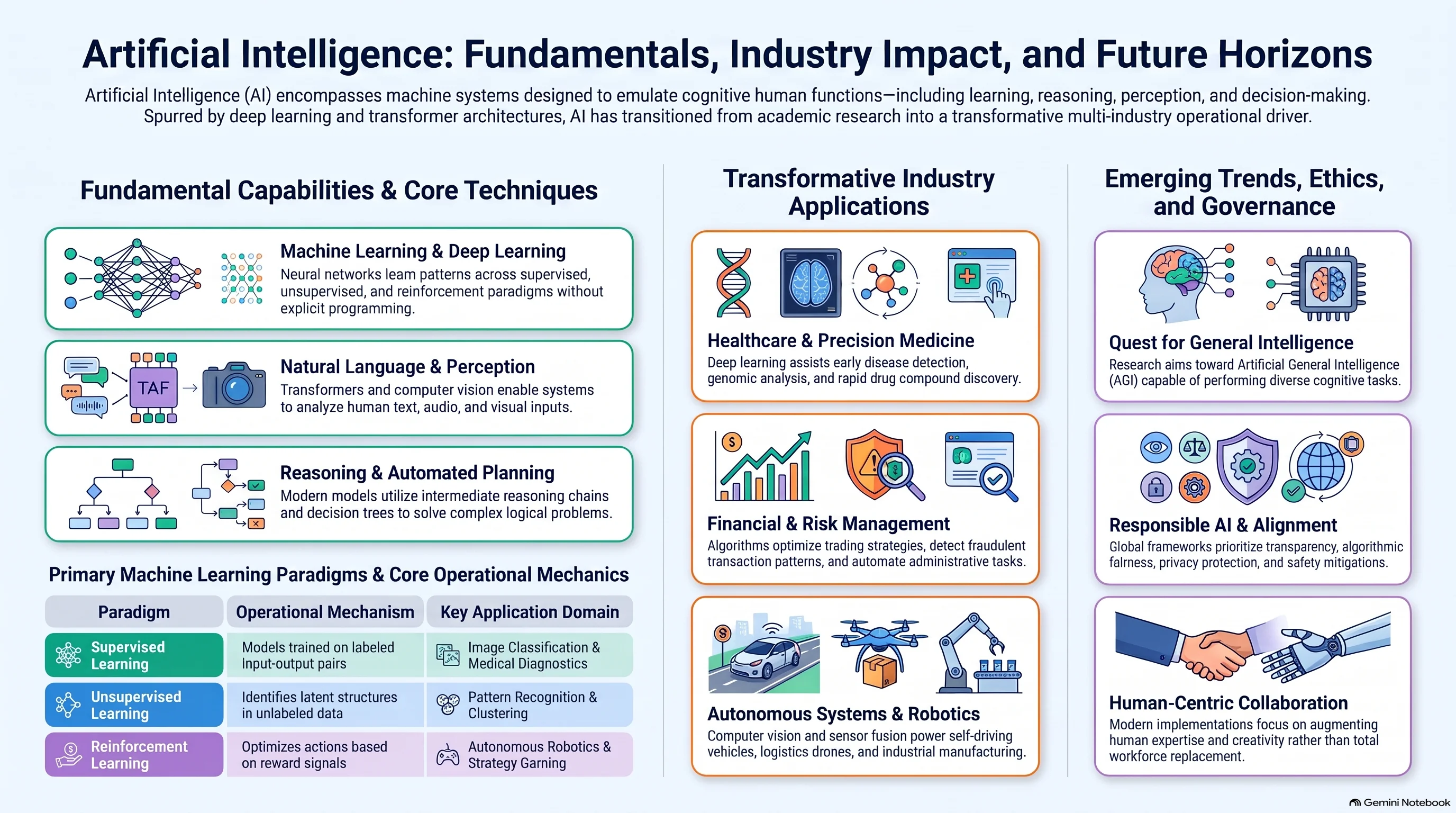
Artificial Intelligence LLM Architectures, Neural Networks and Autonomous Agents Infrastructure
Artificial Intelligence EN
November 2026

Artificial Intelligence Hub

Evaluate advanced LLM architectures, distributed machine learning infrastructure, edge AI, and multi-agent coordination.

Scientific Cartography, Earth Science Diagrams and Technological Infrastructure
Mother Hub EN
Empirical Knowledge

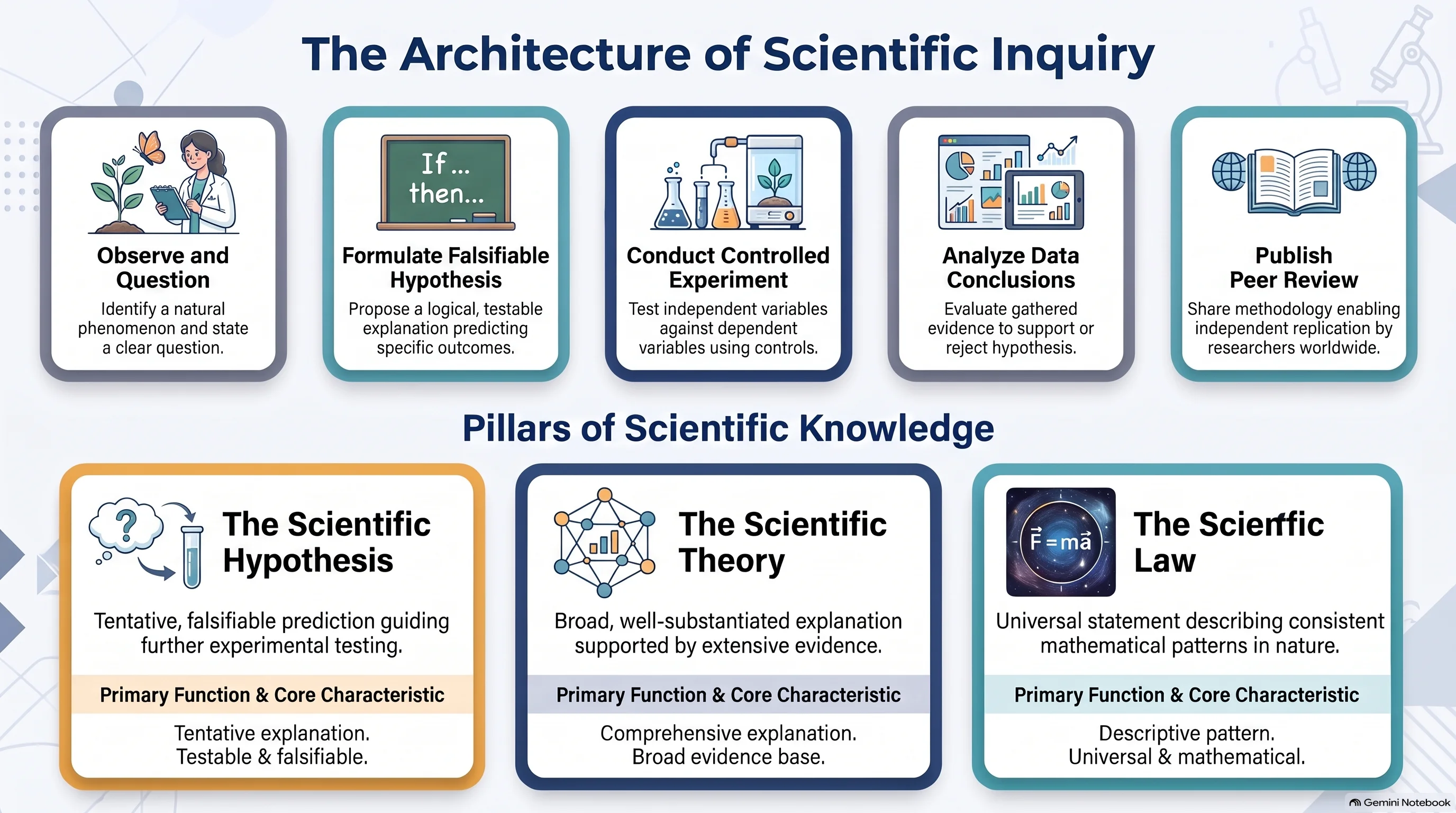
Science Hub

Discover scientific cartography, astronomical charts, and key milestones in earth science evolution.

Explore Hub
Historical Atlases, Military Campaigns and Territorial Evolution Maps
Mother Hub EN
Geopolitical & Chronological

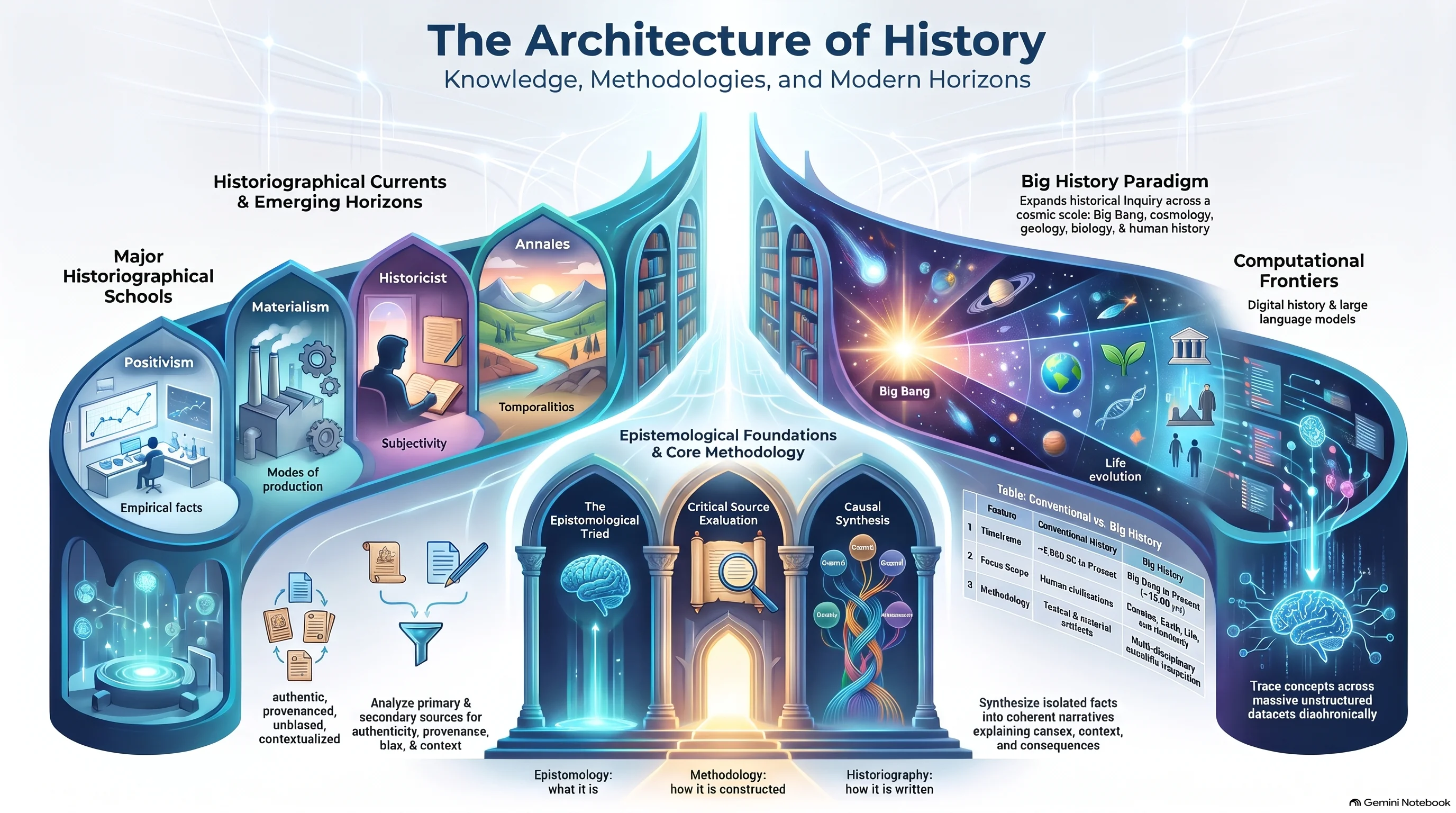
History Hub

Examine comprehensive historical atlases, ancient empires, and centuries of geopolitical transformation

Explore Hub

Technical Acronym Glossary & Definitions

QPU (Quantum Processing Unit)

The physical processor core utilizing quantum mechanical phenomena such as superposition and entanglement to execute complex calculations.

SMR (Small Modular Reactor)

Advanced nuclear fission reactors producing under 300 MW(e) per unit, designed for factory fabrication and co-location with heavy energy consumers.

PUE (Power Usage Effectiveness)

Standard metric determining how efficiently a computer data center uses energy; specifically, total facility energy divided by IT equipment energy.

NISQ (Noisy Intermediate-Scale Quantum)

The current technological epoch featuring quantum processors with 50 to a few hundred qubits lacking full error correction.

HVDC (High-Voltage Direct Current)

Electrical power transmission system utilizing direct current for bulk power transfer over long distances with minimal losses.

DOE (Department of Energy)

US federal agency managing national laboratories, nuclear security, and foundational research funding for quantum and energy grids.

Preguntas Frecuentes: Infraestructura Ferroviaria y Sistemas ERTMS

Claves técnicas sobre la red de alta velocidad, la liberalización del mercado y los estándares de seguridad ferroviaria en España.

¿Cómo ha evolucionado la red de alta velocidad en España desde su inicio?

Desde la inauguración de la línea Madrid-Sevilla en 1992, España ha desarrollado el segundo despliegue de alta velocidad más extenso del mundo, integrando retos geográficos complejos, ancho internacional y conexiones transeuropeas[cite: 15].

¿Qué papel desempeñan los sistemas ERTMS y ASFA en la seguridad ferroviaria moderna?

Los sistemas ERTMS (Niveles 1 y 2) junto con el ASFA Digital constituyen la columna vertebral de protección automática de trenes (ATP), reduciendo drásticamente el margen de error humano mediante supervisión continua de velocidad y balizas de control[cite: 15].

¿Cómo impacta la liberalización del mercado de pasajeros en la gestión de riesgos y mantenimiento de vías?

La entrada de múltiples operadores (como Ouigo e Iryo) en una misma red incrementa el tráfico y el desgaste catenario-vía, exigiendo una estricta gobernanza de los Sistemas de Gestión de Seguridad (SGS) y auditorías rigurosas supervisadas por la AESF[cite: 15].

¿Qué soluciones técnicas se aplican para la interoperabilidad en el ancho de vía internacional?

Se implementan ejes de ancho estándar (1435 mm), tecnologías de tercer carril y cambiadores de ancho de vía para permitir la circulación fluida de trenes entre las líneas de alta velocidad y la red convencional.