Celebrate the Semiquincentennial 2026 by exploring the foundational history of the United States. This journey highlights the role of Thomas Jefferson and the Continental Congress in shaping a new nation. Use our historical infographic to visualize the transformation of the 13 Colonies into a global power. Learn more about the Declaration of Independence in this immersive experience.
Trace the Semiquincentennial 2026 journey from the 13 Colonies to today. Use our infographic to discover the legacy of Thomas Jefferson and the Continental Congress
1775–1783 Colonial Conflict and the Birth of American Sovereignty
The American independence movement transformed thirteen disparate British colonies into a unified sovereign nation through intense military and political struggle. This foundational colonial conflict established the democratic principles we celebrate today during the United States Semiquincentennial. By navigating our historical infographic, you can trace how localized resistance evolved into a global war for liberty.
| Sovereignty Key | Figures/Locations | Date | Summary of Impact |
|---|---|---|---|
| Colonial Conflict | Thirteen Colonies | 1775–1783 | The war for national independence. |
| Declaration | Thomas Jefferson | July 4, 1776 | Formal break from British rule. |
| Yorktown Victory | George Washington | Oct 19, 1781 | Final defeat of British forces. |
| Diplomatic Peace | Paris, France | Sept 3, 1783 | Official recognition of US liberty. |
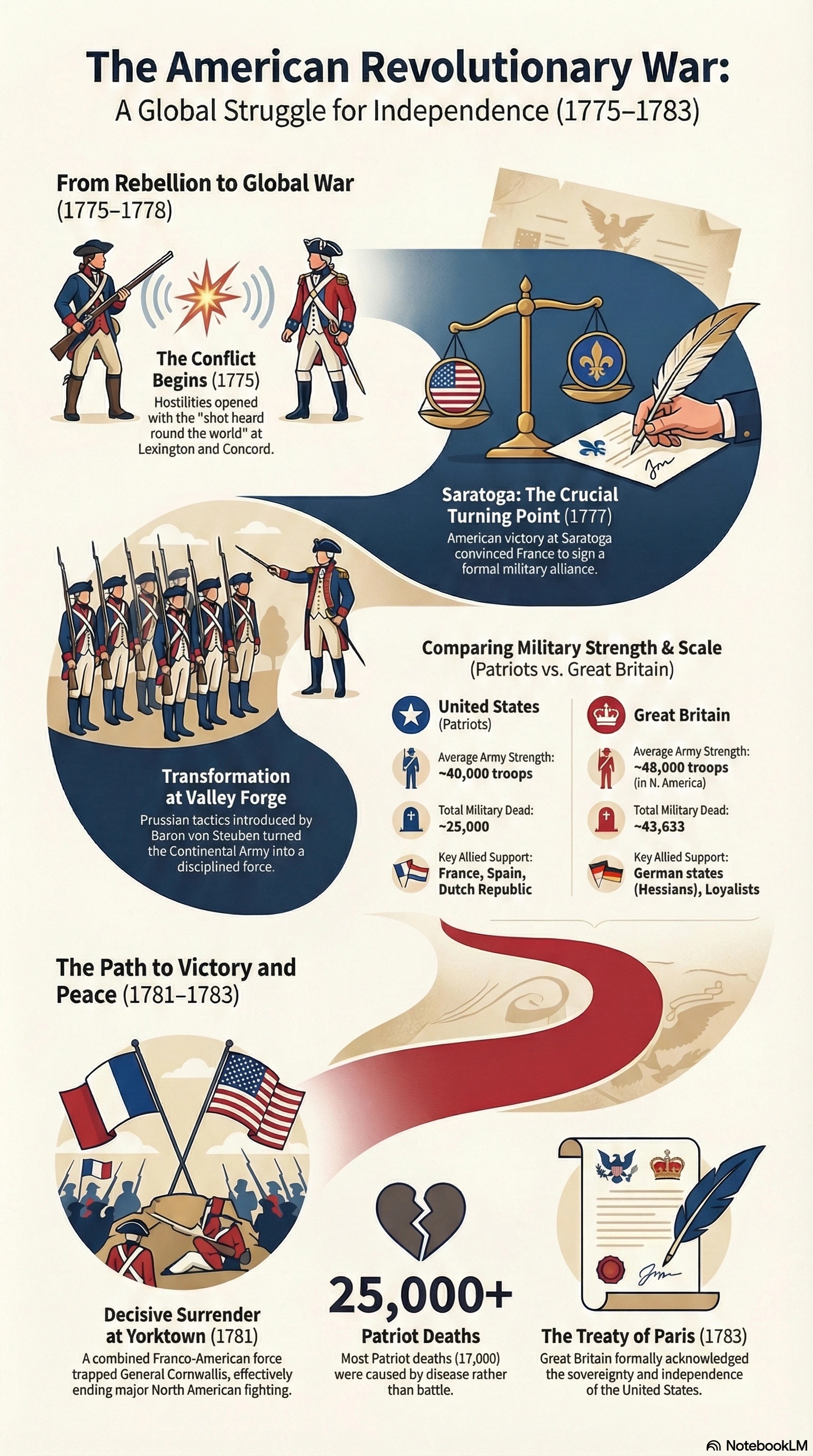
Fig. 1: Trace the patriot cause via this interactive timeline featuring the Continental Congress and pivotal events from the 1776 struggle for sovereign independence and liberty.
1776 Philadelphia: Signing the Declaration
Philadelphia served as the epicenter of revolution where delegates risked everything to formalize their break from the British Crown. The signing of the document in 1776 utilized Enlightenment ideals to justify the birth of a new republic. This pivotal moment is a central feature of our interactive timeline, showcasing the courageous signatures that defied an empire.
Continental Congress: Governing the Rebellion
The Continental Congress functioned as the provisional government, managing war logistics and foreign diplomacy under extreme pressure. Balancing the diverse interests of the founding fathers, this body coordinated the patriot cause across state lines. Their legislative resilience ensured that the military effort remained tethered to a legitimate political vision of self-governance.
1781 Yorktown: The Final Revolutionary Victory
Yorktown represented the decisive climax of the struggle, where a combined American and French force trapped Lord Cornwallis. This strategic victory in 1781 effectively ended major combat operations in North America. Use our interactive map to visualize the troop movements and naval blockades that forced the British surrender in Virginia.
What was the 1783 Treaty of Paris?
The Treaty of Paris was the formal diplomatic agreement that officially recognized the United States as a free and independent power. Negotiated in 1783, it secured vast territorial boundaries and established sovereign rights for the new nation. This document concluded the armed struggle and opened the door for centuries of westward expansion.
1784–1865 Territorial Growth and the Struggle for Unified Freedom
National expansion during the nineteenth century fundamentally reshaped the American landscape while forcing a deep confrontation with the internal contradictions of liberty. This era of territorial growth and constitutional crisis tested the sovereign rights established decades prior. Through our historical infographic, you can observe how the young republic doubled its size before facing its greatest existential threat.
| Growth Key | Figures/Locations | Date | Summary of Impact |
|---|---|---|---|
| National Expansion | Western Territories | 1803–1848 | Doubling the size of America. |
| Union Legacy | Gettysburg, PA | 1861–1865 | Preserving the American experiment. |
| Universal Liberty | Abraham Lincoln | Jan 1, 1863 | Ending slavery in rebel states. |
| Legal Freedom | United States Congress | Dec 6, 1865 | Constitutional ban on slavery. |
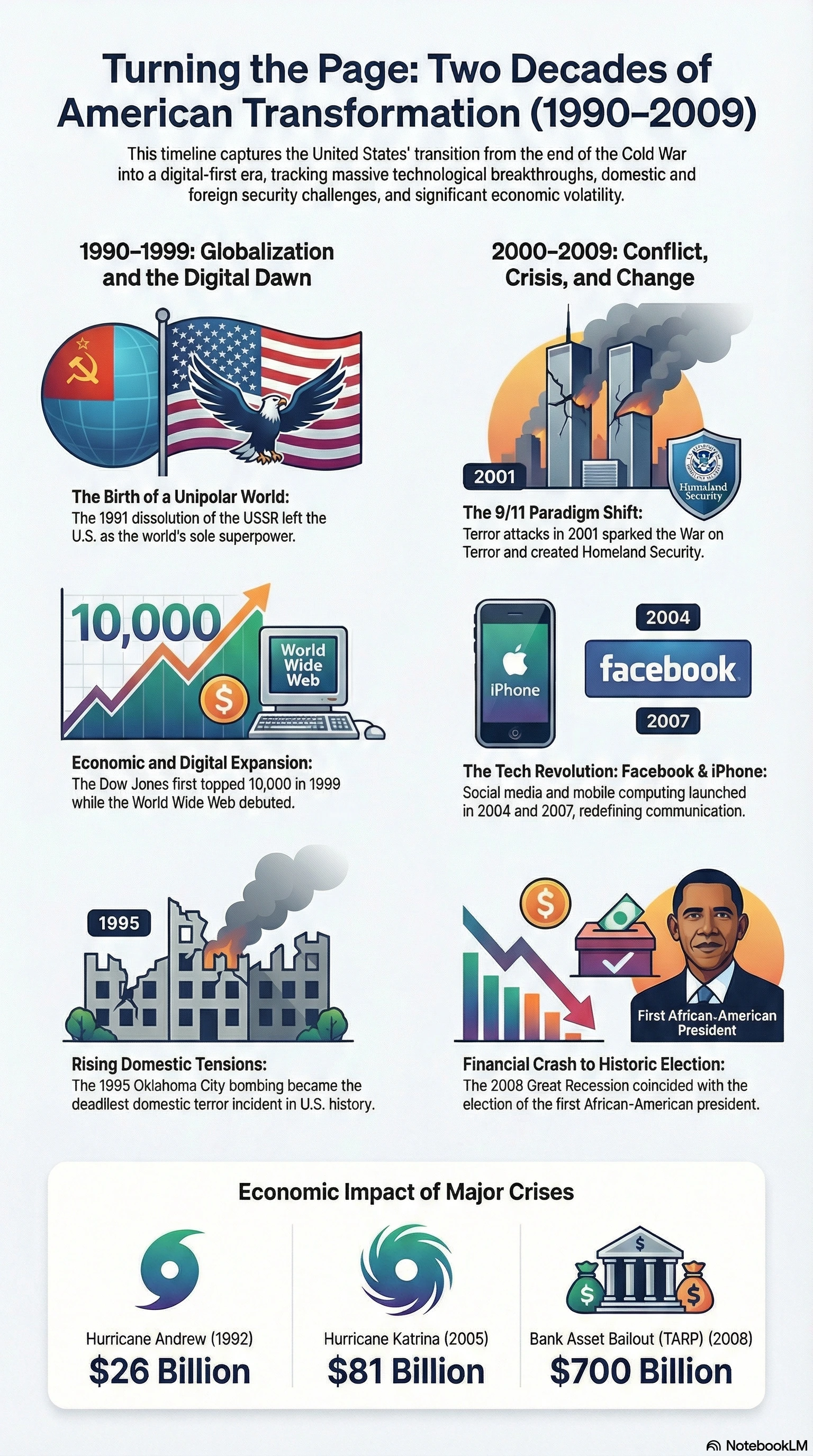
Fig. 2: This historical infographic documents the Louisiana Purchase and the preservation of the Union legacy during the challenging era of westward expansion and civil conflict.
1803 Louisiana Purchase: Mapping New Frontiers
Louisiana Purchase in 1803 stands as the most significant peaceful land acquisition in history, secured by Thomas Jefferson from France. This massive westward shift provided the space for new states and fueled manifest destiny across the continent. Our interactive map tracks the exploration of these new frontiers, highlighting the routes that connected the Atlantic to the Pacific.
1861 Civil War: Defending the Union Legacy
Civil War battles erupted in 1861 as the nation fractured over the issues of states' rights and the institution of slavery. This armed struggle was the bloodiest conflict in American history, nearly destroying the union forged in 1776. This period is a critical node in our interactive timeline, documenting the tactical movements that eventually preserved the United States.
1863 Lincoln: Defining Universal Liberty
Emancipation Proclamation was issued by Abraham Lincoln in 1863, fundamentally altering the legal status of millions of enslaved African Americans. This executive order shifted the war's purpose toward a moral crusade for human dignity and freedom. It remains a cornerstone of the American story, bridging the original promise of independence with a more inclusive reality.
Consequences of the Thirteenth Amendment
Thirteenth Amendment consequences finalized the abolition of slavery across all states, ending a centuries-old system of human bondage. This constitutional milestone redefined civil liberties and set the stage for the long journey toward equal rights for all citizens. Learn more about the Reconstruction era and its impact on modern American law and society.
1900–1999 Modern Democracy and Global Leadership Milestones
Twentieth-century power redefined the American role on the world stage while the nation underwent a profound internal transformation regarding social equity. This era of modern democracy saw the United States emerge as a leader in global diplomacy and technological innovation. By exploring our historical infographic, you can see how the industrial age paved the way for the global influence we analyze in 2026.
| Power Key | Figures/Locations | Date | Summary of Impact |
|---|---|---|---|
| Suffrage Map | Susan B. Anthony | Aug 18, 1920 | Granting women the vote. |
| Global Order | Normandy, France | 1941–1945 | Defeating totalitarianism in WWII. |
| Civil Justice | Martin Luther King Jr. | July 2, 1964 | Banning racial discrimination legally. |
| Space Frontier | Moon (Sea of Tranquility) | July 20, 1969 | The first lunar landing. |
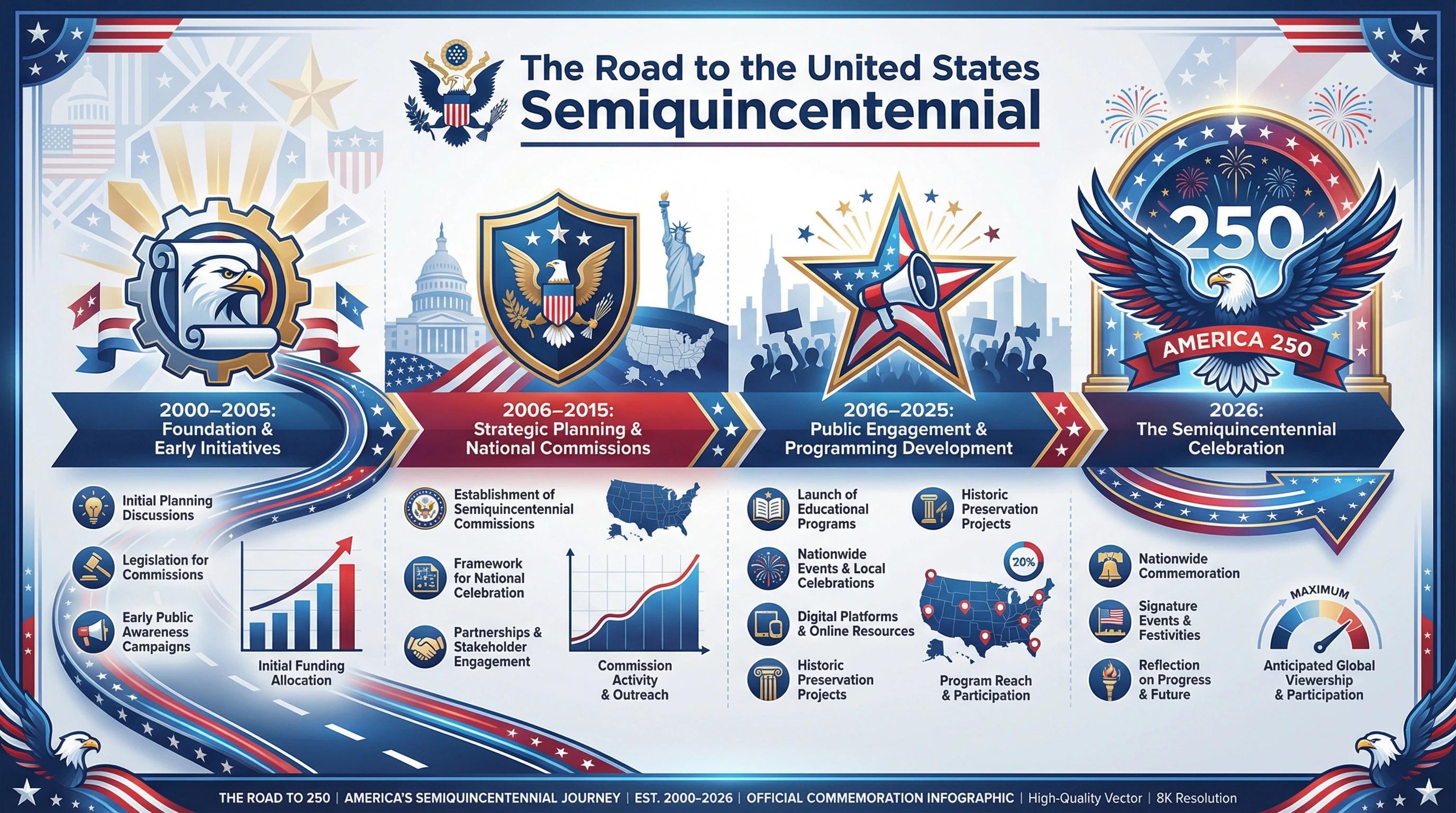
Fig. 3: Visualize the 20th-century evolution using our interactive timeline of civil rights, space exploration, and the technological advancements that defined the modern global order.
1920 Suffrage: Expanding the Voting Rights Map
Women's Suffrage reached a historic peak in 1920 with the ratification of the Nineteenth Amendment, significantly expanding the democratic electorate. This movement for voting rights represented a massive shift in the political map of the country. Our interactive timeline highlights the tireless efforts of activists who ensured that the promise of liberty finally extended to all genders.
1945 Global Impact: The Post-War World Order
World War II victory in 1945 established a new international order with the United States at its center, championing democratic values globally. This global impact necessitated a total mobilization of national resources and scientific talent. This pivotal decade is mapped in our interactive map, showing the strategic reach of American influence from the Pacific to the European theater.
1964 Civil Rights: Justice in the Digital Era
Civil Rights milestones of the 1960s, particularly the 1964 Act, aimed to dismantle systemic segregation and fulfill the ideals of the Declaration of Independence. These legislative triumphs were won through grassroots mobilization and powerful civic leadership. Learn more about the Civil Rights Movement and its enduring legacy in modern American law.
1969 Apollo 11: Scientific Frontiers of Liberty
Apollo 11 represented the ultimate scientific frontier of liberty when American astronauts walked on the moon in 1969. This technological leap demonstrated the boundless potential of a free society committed to innovation. It serves as a reminder that the journey starting in 1776 was never limited to the terrestrial boundaries of the original colonies.
2000–2026 The Road to the United States Semiquincentennial
The Semiquincentennial celebration in 2026 marks a monumental quarter-millennium of self-governance and national resilience. This independence anniversary invites all citizens to reflect on the progress made since the 1776 Continental Congress. Through our historical infographic, you can engage with the vibrant cultural and technological evolution that defines the modern American experience.
| Anniversary Key | Figures/Locations | Date | Summary of Impact |
|---|---|---|---|
| USA 250 | Nationwide, USA | July 4, 2026 | 250 years of independence. |
| Digital Freedom | Silicon Valley / DC | 2000–2026 | The information age democracy. |
| Historic Legacy | National Mall, DC | 2026 | Preserving the American story. |
| Future Vision | Global Community | 2027 & Beyond | The next era of liberty. |

Fig. 4: Celebrate 250 years with this detailed historical infographic highlighting the United States journey from the 13 Colonies to the diverse, digital-first nation of 2026.
Twenty-First Century Digital Freedom Evolution
Digital transformation has revolutionized how we exercise our democratic rights and share the American story in the twenty-first century. This era of technological freedom allows for unprecedented access to our founding documents and historical archives. Our interactive timeline bridges the gap between parchment declarations and the high-speed connectivity of today’s global society.
2026 Nationwide: Celebrating 250 Years
Nationwide events in 2026 serve as a collective opportunity to renew the civic bonds that hold the union together. From Philadelphia to the Pacific coast, these commemorative festivals honor the diverse heritage that has enriched the nation over 250 years. Use our interactive map to find local celebrations and historic sites participating in this once-in-a-generation milestone.
How to join the 2026 Independence Anniversary?
Future legacy initiatives focus on preserving the principles of liberty for the next 250 years of the American experiment. Ensuring constitutional stewardship involves educating new generations about the responsibilities of active citizenship in a changing world. Learn more about the America250 commission and how it coordinates this historic national observance.
2026 and Beyond: Securing the Legacy for Future Generations
Here is the SEO-optimized content in English for your final section, ensuring it bridges the historical preservation with the 2026 milestone.Future-proofing liberty requires a steadfast commitment to protecting our core values while evolving to meet the complex global demands of the twenty-first century. This lasting legacy depends on active civic participation to ensure that the democratic experiment thrives for another two hundred and fifty years. By exploring our historical infographic, you can visualize the ongoing journey toward a more perfect and inclusive union.
| Legacy Pillar | Key Entities | Timeline | Social Impact |
|---|---|---|---|
| Archival Safety | National Archives | 2126 Goal | Total protection of founding texts. |
| Civic Education | Next Generations | 2026-2050 | Strengthening democratic engagement. |
| Sustainability | Global Institutions | Long Term | Maintaining leadership in liberty values. |

Fig. 5: Explore our interactive timeline focused on the long-term preservation of the Declaration of Independence and the ongoing scientific stewardship of our national treasures.
Preserving Documents for the Next Century
Document preservation at the National Archives now utilizes advanced inert gas technology to protect the original parchment of the Declaration of Independence for the next century. This digital archival strategy ensures that researchers and students can access high-resolution primary sources across the globe. Our interactive timeline integrates these digital assets, allowing users to study the foundational scripts that define American law.
Technological Advancement and Civic Engagement
Civic engagement remains the vital engine of democracy as we move beyond the 2026 festivities into a new era of innovation. By fostering inclusive participation, we honor the original vision of the Founding Fathers while adapting to future challenges. The journey of liberty is an ongoing process, requiring the dedication and creativity of every American.
Frequently Asked Questions about the United States Semiquincentennial
What exactly is the United States Semiquincentennial?
The Semiquincentennial is the official 250th anniversary of the signing of the Declaration of Independence. Occurring on July 4, 2026, it marks a quarter-millennium of American autonomy and the founding of the republic in Philadelphia in 1776.
Where will the main celebrations take place in 2026?
While celebrations are nationwide, Philadelphia serves as the historical heart of the events. Other major hubs include Washington D.C., New York, Boston, and Charleston, featuring commemorative festivals, historical reenactments, and multi-state interactive exhibitions.
How has the map of the United States changed since 1776?
In 1776, the nation consisted of 13 coastal colonies. Over 250 years, the map expanded through milestones like the 1803 Louisiana Purchase, the annexation of western territories, and the addition of Alaska and Hawaii, evolving into the 50-state continental power seen today.
Why is the 250th anniversary often called "America250"?
America250 is the official nonpartisan initiative and commission established by Congress to coordinate the multi-year commemoration. Its goal is to engage all Americans in reflecting on the past and looking forward to the next 250 years of the American experiment.
What was the significance of the 1783 Treaty of Paris?
The 1783 Treaty of Paris was the formal diplomatic agreement between the United States and Great Britain that ended the Revolutionary War. It officially recognized American sovereignty and established the original western borders of the new nation at the Mississippi River.
How did the 19th Amendment change American democracy?
Ratified in 1920, the 19th Amendment prohibited the denial of the right to vote based on sex. This was a monumental shift in the demographic map of the electorate, fulfilling a core promise of liberty that had been sought since the Seneca Falls Convention of 1848.
What are the "Four Freedoms" mentioned in 20th-century history?
Articulated by FDR in 1941, the Four Freedoms are: Freedom of speech, Freedom of worship, Freedom from want, and Freedom from fear. These principles became the moral compass for the U.S. during WWII and the subsequent construction of the modern international order.
How is the original Declaration of Independence preserved?
The original parchment is kept in the Rotunda for the Charters of Freedom at the National Archives. It is housed in a scientifically controlled encasement filled with argon gas to prevent oxidation and light damage, ensuring its survival for the next century.
Can I participate in the Semiquincentennial digitally?
Yes. The 2026 anniversary features extensive digital engagement, including virtual tours of historic sites, interactive mapping timelines, and social media initiatives designed to connect citizens globally through the "America250" digital ecosystem.
What is the goal of the "Future Legacy" initiatives?
Future Legacy initiatives focus on constitutional stewardship and civic education. They aim to provide young generations with the tools and technological literacy needed to uphold democratic values during the nation's transition into its third century of existence.
The Persistent Horizon: Reflecting on Two and a Half Centuries of Progress
The 250-year journey of the United States represents a transformative civic evolution, transitioning from a colonial uprising to a global vanguard of pluralistic democracy. By synthesizing centuries of intellectual heritage and systemic growth, we honor the resilience required to maintain a sovereign republic from 1776 through the milestone of 2026.
Analyzing this trajectory reveals how the nation successfully navigated societal metamorphosis by constantly redefining the boundaries of participation. This ongoing process of institutional renewal ensures that the original aspirations for self-governance remain relevant in an increasingly interconnected and digital world. For deeper context on this evolution, explore the history of American ideals and their global influence.
The story of America is far from static; it is a shared narrative that continues to unfold with every generation. If you found this interactive chronicle insightful, please share this timeline with fellow history enthusiasts or students to help spread awareness of our collective memory as we celebrate this historic anniversary together.
Verified Sources & Academic Resources
To ensure historical accuracy and cartographic precision, this timeline and its associated mapping data have been cross-referenced with the following prestigious academic archives and primary source repositories:
- - The National Archives: Charters of Freedom and the Declaration of Independence Transcript.
- - Library of Congress: Geography and Map Division: Revolutionary Era Military Campaigns.
- - Smithsonian Institution: Price of Freedom: Exhibition on American Military History.
- - Yale University (The Avalon Project): Digital Documents in Law, History and Diplomacy (18th Century).
- - U.S. Census Bureau: Historical Territorial Expansion and Mapping Data.